May 26, 2026 · Google News
The Moon Base Story Is Shifting From Inspiration to Infrastructure
NASA’s latest lunar updates point to a broader content trend: audiences are moving past moonshot hype and paying closer attention to the hardware, contracts, timelines, and operational systems that could make sustained lunar activity real.
Curated coding article
Summary
NASA’s latest lunar updates point to a broader content trend: audiences are moving past moonshot hype and paying closer attention to the hardware, contracts, timelines, and operational systems that could make sustained lunar activity real.
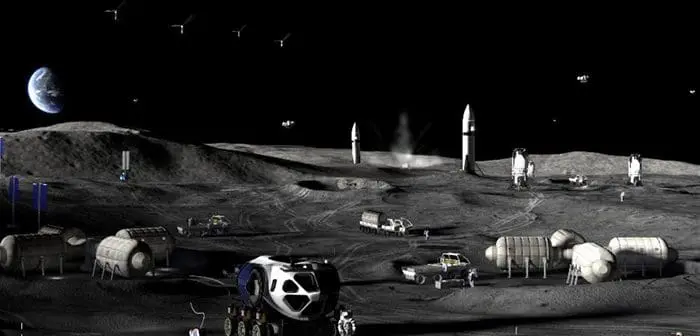
NASA’s latest lunar update lands in a different media environment than earlier Artemis announcements. The story is no longer just about returning astronauts to the Moon; it is about building the practical layer underneath that return: cargo delivery, rovers, landing-site surveys, autonomous mobility, and surface science.
That shift explains why lunar infrastructure is gaining attention. Readers are increasingly interested in the operational details behind space exploration, especially when familiar names like Blue Origin, Astrobotic, Intuitive Machines, Firefly Aerospace, Astrolab, and Lunar Outpost appear alongside NASA procurement milestones.
The south pole focus also gives the topic a strategic edge. Shackleton-area terrain, plume effects, lunar swirls, payload delivery, and landing-site scouting all connect to the same question: can agencies and contractors turn a difficult environment into a repeatable operating zone?
Adjacent stories strengthen the trend. Rover awards suggest mobility is becoming a service category, not just a one-off vehicle project. Drone-based lunar scouting points to a future where surface reconnaissance may happen before astronauts arrive. International payloads from Europe and Korea show that lunar infrastructure is becoming a coalition activity.
The weak signal is that the Moon is being framed less as a destination and more as a testbed for logistics, autonomy, robotics, and commercial service models. That makes the next wave of audience interest likely to center on execution risk: launch cadence, lander reliability, rover endurance, south pole navigation, and whether commercial lunar payload delivery can scale.
Source: NASA mission details were reported by Space & Defense at https://spaceanddefense.io/nasa-provides-update-on-moon-base-rovers-landers-and-missions/.