Jun 18, 2026 · Ars Technica
What Taiwan’s Drone Push Means for Developers Building Autonomous Systems
Taiwan’s expanding drone industry is a reminder that robotics is no longer just hardware: software, AI, simulation, supply-chain visibility, and operator tooling are becoming core infrastructure.
Curated coding article
Summary
Taiwan’s expanding drone industry is a reminder that robotics is no longer just hardware: software, AI, simulation, supply-chain visibility, and operator tooling are becoming core infrastructure.
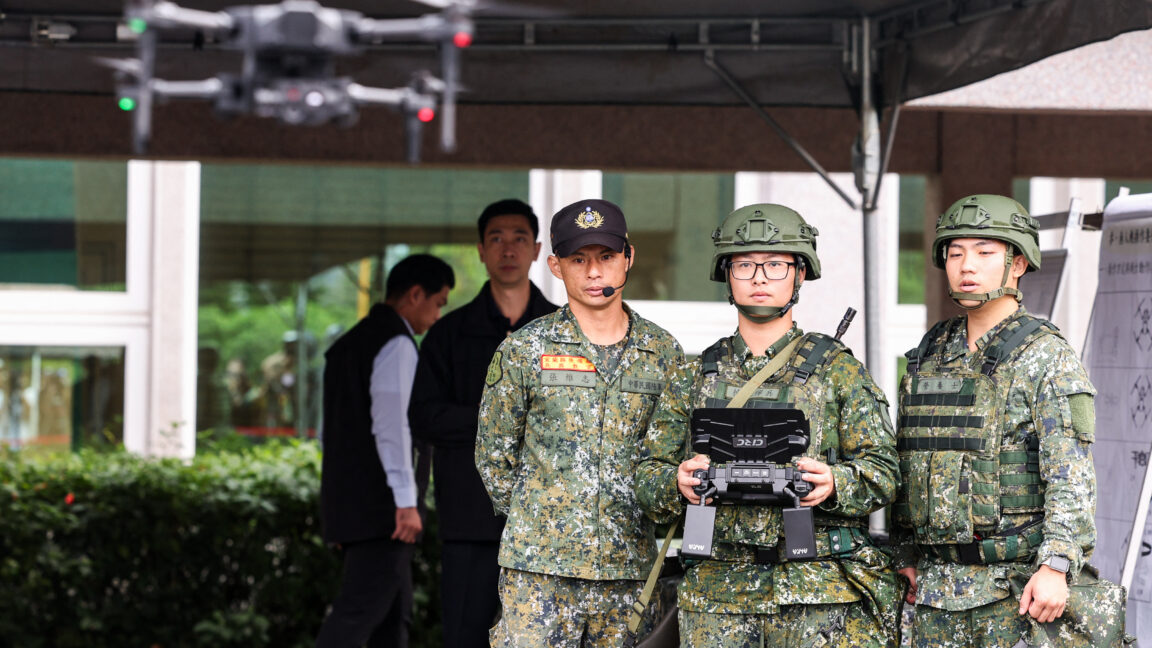
Taiwan is preparing to scale domestic drone production dramatically, with proposed defense spending aimed at hundreds of thousands of locally made systems over several years. Beyond geopolitics, this is a useful case study for developers: autonomy programs succeed only when hardware, software, manufacturing, and deployment workflows evolve together.
For engineers working in AI, robotics, or real-time systems, the most interesting detail is the software gap. Taiwanese manufacturers have strong electronics and production capabilities, while many partnerships focus on autonomy stacks, controller platforms, and AI-assisted operation. That pattern shows where developer leverage lives: perception, navigation, fleet coordination, simulation, and secure update pipelines.
There is also a practical web-development angle. A drone program needs dashboards for inventory, mission planning, telemetry review, battery health, operator training, compliance logs, and vendor traceability. A Laravel API, a WebGL/Three.js mission replay tool, or a Unity-based training simulator can be just as operationally important as the aircraft itself.
The supply-chain story matters too. Companies are expanding production outside Taiwan, exporting components, and positioning themselves as alternatives to Chinese-made drone systems. Developers building procurement tools, digital twins, QA systems, or firmware provenance checks should treat hardware origin, component metadata, and auditability as first-class data models.
My takeaway for portfolio projects: build a small autonomous-systems command center. Include simulated drone telemetry, map-based tasking, component lifecycle tracking, role-based access, and an AI-assisted anomaly detector. It demonstrates full-stack skill while aligning with a real industry shift toward networked, software-defined robotics.
Source: Ars Technica, https://arstechnica.com/ai/2026/06/as-china-looms-taiwan-makes-more-drones-for-defense-and-the-us-military/