May 28, 2026 · Google News
What Curiosity’s Mars Drill Teaches Us About Safer Developer Workflows
NASA’s Curiosity team turned a risky drill operation into a careful feedback loop—an approach developers can borrow for robotics, WebGL tools, simulations, and production software.
Curated coding article
Summary
NASA’s Curiosity team turned a risky drill operation into a careful feedback loop—an approach developers can borrow for robotics, WebGL tools, simulations, and production software.
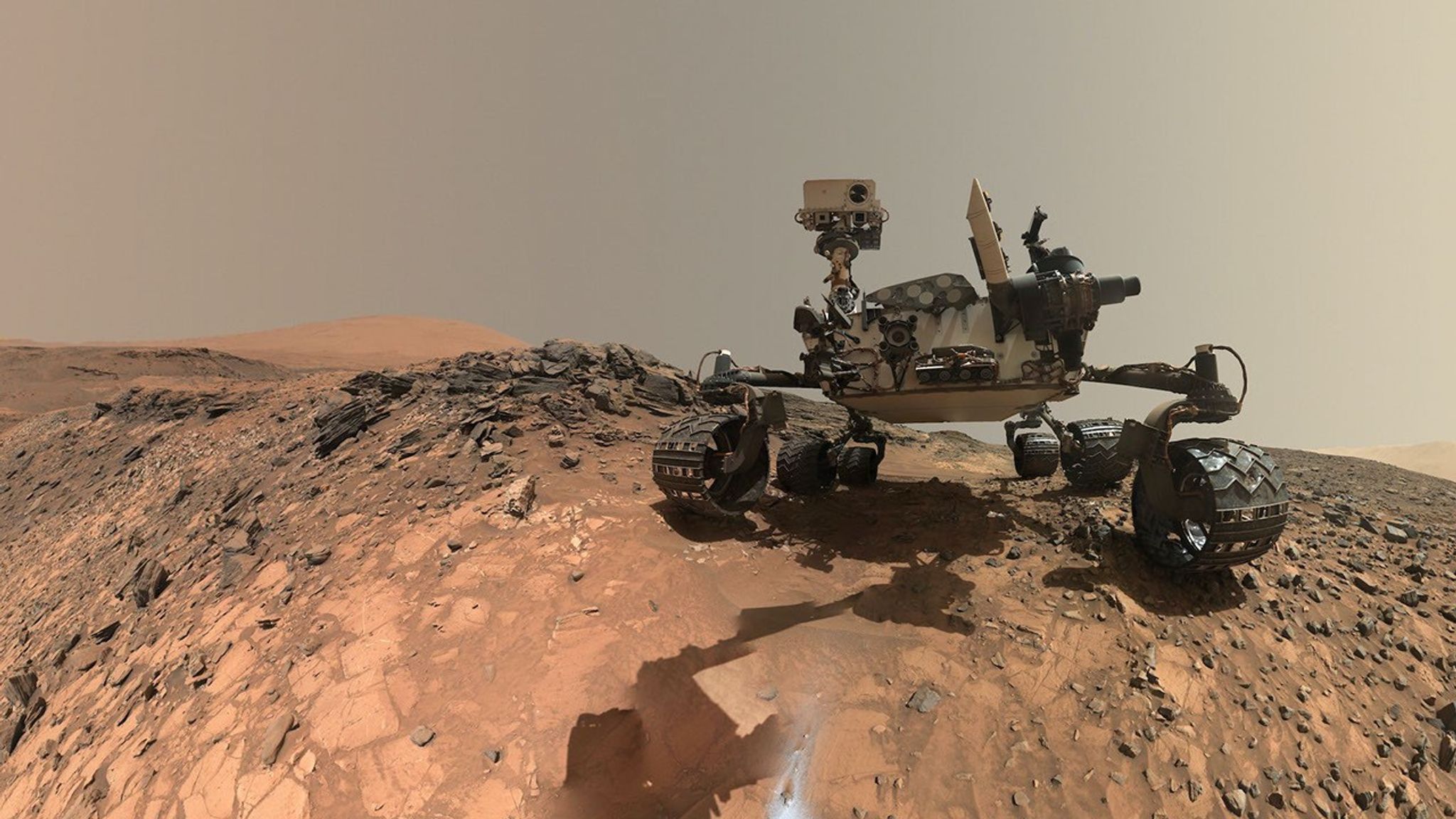
NASA’s Curiosity rover recently completed a successful drill sample at Campo Marte after a previous attempt at a nearby rock unexpectedly caused the rover to lift the entire block. The team did not simply try again; they reviewed telemetry, inspected images, adjusted risk assumptions, and selected a better target before committing hardware to another action on Mars.
That pattern maps surprisingly well to software engineering. When a deployment, simulation step, or hardware integration behaves unexpectedly, the useful response is not panic or blind retrying. It is observability first: logs, snapshots, metrics, reproduction attempts, and a clear decision about whether the next run is safe.
Curiosity’s team also tested small sample portions before sending material into its onboard labs. Developers can apply the same idea with staged rollouts, feature flags, canary releases, dry-run commands, and validation layers before data reaches critical systems. A few milliseconds of verification can prevent hours of recovery.
For portfolio projects, this is a strong design lesson. Whether building a Unity rover simulator, a Three.js mission dashboard, or a Laravel workflow for lab data, show how your system handles uncertainty. Include telemetry views, audit trails, retry states, and operator-friendly checkpoints instead of only showing the happy path.
The most impressive part is how much science can come from tiny samples, measured in tens of milligrams. In development terms, small, well-structured signals often matter more than huge unfiltered datasets. Good instrumentation turns limited input into confident decisions.
Source: NASA Science, Curiosity Blog, Sols 4900-4907, https://science.nasa.gov/blog/curiosity-blog-sols-4900-4907-pasadena-we-have-a-drill-sample/